Contact Us
Practical advice, reassurance and creative ideas to support children aged 5–11
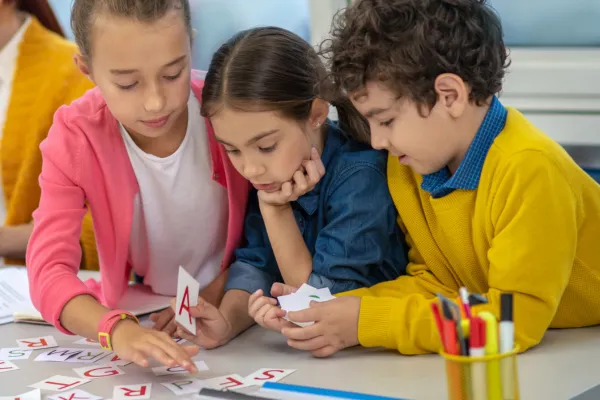
Why Group Tutoring Can Have Better Results Than One-to-One Tutoring
Why Group Tutoring Can Have Better Results Than One-to-One Tutoring

When it comes to supporting your child’s education, many parents wonder which approach will be more effective: one-to-one tutoring or group sessions. While both methods have their perks, group tutoring can offer unique advantages that often lead to better overall results. Let’s dive into why group learning might be the right choice for your child.
1. Confidence Boost: Learning in a Supportive Environment
Group tutoring naturally builds confidence. When students learn alongside peers, a collaborative and supportive dynamic is created. According to Dr. Robert Slavin, an educational psychologist from Johns Hopkins University, “Students who engage in cooperative learning make greater academic progress than those who work alone.” This interaction encourages children to share ideas, ask questions, and contribute in ways that can be more daunting in one-to-one settings. Watching their peers participate makes students feel more comfortable doing the same, boosting their confidence both in the tutoring session and in the classroom.
2. Active Participation: Easing Anxiety Through a Familiar Dynamic
Group tutoring closely mirrors the classroom environment, which helps ease anxiety for students who struggle with low self-esteem. In one-to-one sessions, children might become overly reliant on the tutor’s reassurance, leading to hesitation when tackling challenges independently. In a group setting, however, students engage more naturally, gaining the confidence to take part in class discussions and ask questions without needing constant validation.
This collaborative atmosphere fosters independence and prepares students to actively participate in school. By learning to work through challenges with peers, children develop resilience and reduce their anxiety about making mistakes.
3. Collaboration and Social Skills: Learning Together, Growing Together
Education is not just about academics—it’s also about building social skills. Group tutoring promotes teamwork and collaboration, whether students are solving a math problem together or discussing different approaches to a challenge. These interactions teach kids how to listen, share ideas, and respect diverse perspectives. In doing so, they develop the skills needed to contribute confidently in class discussions and articulate their thoughts without fear.
Studies support this: research published in the Journal of Educational Psychology found that students in group tutoring sessions demonstrated better problem-solving abilities than those in individual sessions. By exploring different strategies together, students become more flexible thinkers, learning that mistakes are part of the process rather than something to fear.
4. Shared Success: Celebrating Achievements as a Team
There’s something uniquely motivating about working toward goals as a group. In group tutoring, students share in each other’s successes, creating a sense of community and collective achievement. Whether it’s tackling a tough problem together or celebrating improved test scores, these shared victories boost motivation and create a positive learning environment.
Research from the National Education Association highlights that “students who work in groups tend to be more motivated and engaged in their learning.” The sense of belonging and mutual support within a group helps children feel less isolated in their academic struggles, empowering them to keep pushing forward and do their best.
Support and Growth Go Hand-in-Hand
The benefits of group tutoring extend beyond just academic progress—it’s about building confidence, social skills, and a love for learning. If you think group tutoring could be the right fit for your child, we’re here to help. Reach out to learn more about how our group sessions can support your child’s educational journey.
Click here to book a FREE consultation with myself, Zara, to find out how My Tutoring for You can help sky-rocket your child's confidence and equip them with the tools and strategies to make the academic progress they are capable of.